
 English
 العربية
 Français
 Deutsch
 Italiano
 日本語
日本語 한국어
한국어 Polski
 Português
 Русский
 Español
 ภาษาไทย
 Türkçe
 Українська
 Tiếng Việt
How to Choose the Best Solutions for Your Project?
In the fields of mechanical engineering and industrial manufacturing, rubber products play a critical role.
From vibration damping and noise reduction to sealing and leak prevention, the performance of rubber components directly impacts equipment operating efficiency and longevity.
However, facing various types of rubber products available on the market, purchasing staff and mechanical engineers often feel confused about how to select and purchase the most suitable rubber products for my project.
This article will provide a detailed analysis of rubber products’ key characteristics, applications, and purchasing strategies to help you make informed procurement decisions.
Types and Characteristics of Rubber Products
There are a wide range of types of rubber products, including:
1) Rubber Vibration Dampers designed to absorb vibrations and shocks to protect machinery from damage, such as rubber shock absorber pads and mounts.
2) Rubber Seals are used to prevent liquid or gas leakage and ensure airtight performance, including O-rings, oil seals, and gaskets.
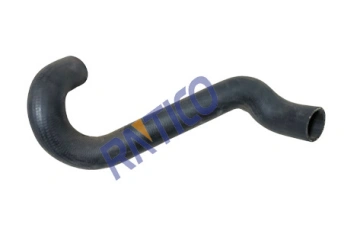
3) Rubber Hoses engineered for fluid transfer with flexibility and pressure resistance, include hydraulic hoses and water delivery hoses.
4) Rubber Sheets are ideal for creating gaskets, linings, and other components requiring wear resistance and corrosion resistance, such as oil-resistant or insulating rubber sheets.
Different rubber materials offer distinct properties:
Natural Rubber (NR): High elasticity and abrasion resistance but poor oil and high-temperature tolerance.
Nitrile Rubber (NBR): Excellent oil resistance, ideal for oil-based environments, but vulnerable to ozone degradation.
Silicone Rubber (VMQ): Exceptional heat resistance (-60°C to 250°C) but lower mechanical strength.
Fluoroelastomer (FKM): Superior resistance to heat, oil, and chemicals, but too costly.
Applications of Rubber Products
Rubber components are indispensable across industries:
Automotive: Tires, seals, vibration dampers, and engine mounts.
Machinery Manufacturing: Conveyor belts, seals, and shock absorbers.
Electronics: Insulation layer for wires/cables and sealing element, etc.
Construction: Waterproofing materials, soundproofing layers, and structural dampers.
Key Considerations When Purchasing Rubber Products
To select the optimal rubber product, we should evaluate these factors:
1) Operating Environment: Temperature, humidity, media, and other environmental factors will affect the performance of rubber products.
For example, high-temperature environments need to choose high-temperature resistant rubber, like silicone rubber material.
2) Performance requirements: Different application scenarios have different performance requirements for rubber products.
For example, shock absorbers need to have good elasticity, and seals need to have good sealing performance.
3) Dimensional Accuracy: Ensure precise sizing to avoid installation issues or performance gaps.
4) Quality Assurance: Opt for reputable suppliers with certifications (e.g., ISO) and robust testing protocols.
5) Cost-Effectiveness: Balance performance needs with budget constraints—avoid overspending on over-engineered solutions.
Conclusion
Choosing the right rubber product is essential for maximizing equipment performance and lifespan.
By understanding material properties, application requirements, and supplier vetting criteria, you can streamline procurement and avoid costly mistakes.
If you are looking for a high-quality rubber product, contact us today!
With decades of industry expertise, RNTICO provide customized solutions, certified materials, and reliable technical support to meet your project’s unique demands.