
 English
 العربية
 Français
 Deutsch
 Italiano
 日本語
日本語 한국어
한국어 Polski
 Português
 Русский
 Español
 ภาษาไทย
 Türkçe
 Українська
 Tiếng Việt
When we think about car accessories, car mats are always the most essential yet often overlooked components of a vehicle’s interior.
These unassuming materials play a critical role in maintaining your car’s cleanliness, safety, and longevity.
In this article, we’ll dive deep into the world of car mats, exploring their purpose, types, materials, and how to choose the best ones for your vehicle.
What is Car Mats?
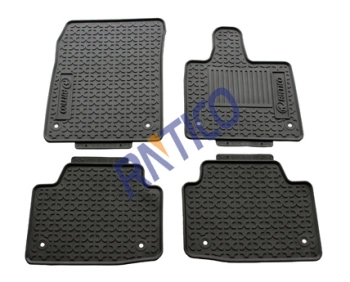
Car mats, also known as automotive floor mats, are protective coverings placed on the floor of a vehicle’s cabin.
They serve as a barrier between the car’s original carpet and external elements such as dirt, mud, water, snow, and debris.
Modern car mats are designed to trap these contaminants, preventing them from damaging the vehicle’s interior or creating unpleasant odors.
While basic car mat is flat and universal in design, premium options are often custom-molded to fit specific car models.
Some even feature advanced technologies like anti-slip surfaces, waterproof layers, or eco-friendly materials.
Whether you drive a compact sedan or a rugged SUV, car mats are a small investment that can significantly enhance your driving experience.
The Importance of Car Mat?
a. Protection for Your Car’s Interior
The primary function of car mat is to protect the factory-installed carpet from wear and tear.
Over time, shoes can grind dirt and moisture into the carpet, leading to stains, odors, and even mold growth.
High-quality mats act as a sacrificial layer, absorbing daily abuse and preserving the resale value of your car.
b. Safety Enhancement
Wet or muddy shoes can make pedals slippery, increasing the risk of accidents.
Car mat with textured surfaces or rubber grips provide better traction, ensuring your feet stay firmly planted while driving.
Additionally, thick mats can reduce noise and vibrations, contributing to a safer and more comfortable ride.
c. Aesthetic Appeal
Car mat comes in various colors and designs, allowing drivers to personalize their vehicle’s interior.
Whether you prefer a sleek black mat or a vibrant pattern, they can complement your car’s style while maintaining a clean appearance.
d. Hygiene and Comfort
Mats trap dust, allergens, and food crumbs, improving air quality inside the cabin.
Many modern mats are also easy to remove and clean, making them ideal for families with children or pet owners.
Types of Car Mats
Car mats are categorized based on material, design, and functionality.
Here’s a breakdown of the most common types:
a. Rubber Mats
– Pros: Durable, waterproof, and easy to clean. Ideal for harsh weather conditions.
– Cons: It can look utilitarian; it may curl at the edges over time.
– Best for: Off-road vehicles, trucks, or drivers in rainy/snowy climates.
b. Carpet Mats
– Pros: Soft, stylish, and comfortable underfoot. Often used in luxury cars.
– Cons: Less effective at trapping liquids; requires frequent cleaning.
– Best for: Urban drivers or those prioritizing aesthetics.
c. All-Weather Mats
– Pros: Combine rubber durability with advanced designs (e.g., raised edges to contain spills).
– Cons: Bulkier than standard mats.
– Best for: Versatile use across seasons.
d. Custom-Fit Mats
– Pros: Precisely molded to your car’s floor contours for full coverage.
– Cons: More expensive than universal mats.
– Best for: Owners who want a perfect fit and maximum protection.
e. Eco-Friendly Mats
– Pros: Made from recycled or sustainable materials (e.g., bamboo fibers, TPE).
– Cons: Limited availability and higher cost.
– Best for: Environmentally conscious drivers.
Key Materials Used in Car Mats
The material of a car mat determines its durability, ease of maintenance, and suitability for different environments:
– Rubber: Resists water and abrasion but may fade in direct sunlight.
– Thermoplastic Elastomer (TPE): Lightweight, recyclable, and odor-resistant.
– Carpet (Nylon/Polyester): Soft and stylish but prone to staining.
– Vinyl: Affordable and water-resistant but less durable.
– Cocoa Fiber: Natural, biodegradable, and excellent at trapping dirt.
How to Choose the Right Car Mats
Selecting the perfect car mat involves considering several factors:
a. Climate: Opt for waterproof mats if you live in a rainy area; choose plush carpet mats for dry climates.
b. Vehicle Type: SUVs and trucks benefit from heavy-duty rubber mats, while sports cars may prioritize sleek designs.
c. Ease of Cleaning: Look for machine-washable or hose-friendly mats.
d. Safety Features: Anti-slip backings and fire-retardant materials are critical for long-term use.
Maintenance Tips for Car Mats
To extend the lifespan of your car mats:
– Shake out loose debris weekly.
– Wash rubber mats with soapy water; vacuum carpet mats.
– Avoid using harsh chemicals that could degrade the material.
– Replace mats that show signs of cracking or excessive wear.
Conclusion
Car mats may seem like a minor detail, but they are a vital component of vehicle maintenance.
By choosing the right type and material, you can protect your car’s interior, enhance safety, and elevate your driving experience.
Whether you’re battling muddy boots or simply want a cleaner cabin, investing in high-quality car mats is a decision you won’t regret.