
 English
 العربية
 Français
 Deutsch
 Italiano
 日本語
日本語 한국어
한국어 Polski
 Português
 Русский
 Español
 ภาษาไทย
 Türkçe
 Українська
 Tiếng Việt
Rubber bellows are a type of flexible, expandable, and compressible rubber tubing used in a variety of industrial applications, including automotive, aerospace, and medical.
They are designed to provide a seal between two components, such as a pipe and a valve, or a pipe and a pump. They are also used to protect sensitive components from dust, dirt, and other contaminants.
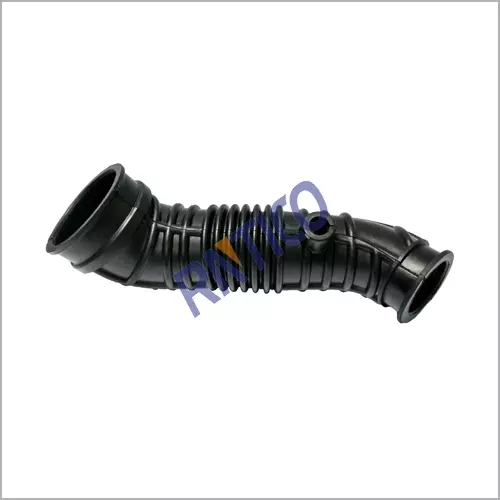
Rubber bellows are made from a variety of materials, including natural rubber, synthetic rubber, and neoprene.
Natural rubber is the most common material used in the production of rubber bellows, as it is highly durable and resistant to wear and tear.
Synthetic rubber is also used, as it is more resistant to extreme temperatures and chemicals. Neoprene is a synthetic rubber that is often used in the production of rubber bellow due to its superior resistance to ozone, oil, and other chemicals.
Rubber bellows are available in a variety of shapes and sizes
Rubber bellows indeed come in a variety of shapes and sizes to suit different applications. The shape and size of the bellows are typically determined by factors such as the space constraints, the movement required, and the specific connection points it needs to accommodate.
For instance:
Round Bellows: These are commonly used for applications where there is axial movement or expansion required, such as in piping systems or machinery where there is linear movement.
Oval Bellows: Oval bellows are often used in applications where space is limited in one direction but more available in another. They can accommodate movement in a specific direction while minimizing the space required.
Rectangular Bellows: Rectangular bellows are suitable for applications where movement occurs in multiple directions or where there are space constraints that require a more compact design.
Custom Shapes: In addition to standard shapes like round, oval, and rectangular, rubber bellows can also be manufactured in custom shapes to meet specific requirements of unique applications.
The size of the bellows is typically determined by the size of the components it is connecting or protecting. It should provide enough flexibility to accommodate the required movement without being too large or too small for the application.
The wall thickness of the bellows is another critical factor and is determined by the application’s requirements, especially the pressure it needs to withstand. Thicker walls are generally needed for higher-pressure applications to ensure the bellows can withstand the forces exerted on it without deforming or failing.
Overall, the selection of the appropriate shape, size, and wall thickness of rubber bellows is crucial to ensure optimal performance and longevity in various industrial or mechanical applications.