
 English
 العربية
 Français
 Deutsch
 Italiano
 日本語
日本語 한국어
한국어 Polski
 Português
 Русский
 Español
 ภาษาไทย
 Türkçe
 Українська
 Tiếng Việt
Rubber fuel pipes are an essential component of any fuel system, as they play a critical role in the functionality of any fuel system by facilitating the safe and efficient transport of fuel from the tank to the engine.
Their durability, flexibility, and resistance to corrosion are key factors in ensuring the smooth operation of the entire fuel delivery process.
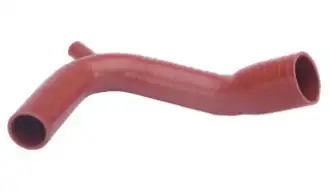
The first factor to consider when selecting rubber fuel pipe is the type of fuel being transported. Different types of fuel require different types of rubber fuel pipes. For example, gasoline requires a different type of rubber fuel pipe than diesel fuel. It is important to select the correct type of rubber fuel pipe for the type of fuel being transported.
The second factor to consider when selecting rubber fuel pipe is the size of the pipe. The size of the pipe should be large enough to accommodate the flow of fuel, but not so large that it causes excessive pressure on the fuel system. The size of the pipe should also be appropriate for the type of fuel being transported.
The third factor to consider when selecting rubber fuel pipe is the material of the pipe. Different types of rubber fuel pipes are made from different materials, such as neoprene, nitrile, and EPDM. Each type of material has its own advantages and disadvantages, so it is important to select the material that is best suited for the application.
The fourth factor to consider when selecting rubber fuel pipe is the temperature range of the pipe. Different types of rubber fuel pipes are designed to withstand different temperature ranges. It is important to select a pipe that is designed to withstand the temperature range of the fuel being transported.
The fifth factor to consider when selecting rubber fuel pipe is the pressure rating of the pipe. Different types of rubber fuel pipes are designed to withstand different pressure ratings. It is important to select a pipe that is designed to withstand the pressure of the fuel being transported.
The sixth factor to consider when selecting rubber fuel pipe is the compatibility of the pipe with the fuel system. Different types of rubber fuel pipes are designed to be compatible with different types of fuel systems. It is important to select a pipe that is compatible with the fuel system of the vehicle.
The seventh factor to consider when selecting rubber fuel pipe is the cost of the pipe. Different types of rubber fuel pipes can vary significantly in cost. It is important to select a pipe that is within the budget of the vehicle.
Finally, it is important to consider the installation of the rubber fuel pipe. Different types of rubber fuel pipes require different types of installation. It is important to select a pipe that is easy to install and that is compatible with the fuel system of the vehicle.
In conclusion, selecting the right rubber fuel pipe is crucial for the safety and reliability of your vehicle’s fuel system. Taking into account factors such as the type of fuel, pipe size, material, temperature range, pressure rating, compatibility, cost, and proper installation is essential in making an informed decision. By carefully considering these aspects, you can choose a rubber fuel pipe that meets the specific requirements of your vehicle, ensuring optimal performance and longevity of your fuel system.
If you have any more questions about rubber fuel pipes or anything else related to fuel systems, please contact us and we will provide you with a suitable solution