
 English
 العربية
 Français
 Deutsch
 Italiano
 日本語
日本語 한국어
한국어 Polski
 Português
 Русский
 Español
 ภาษาไทย
 Türkçe
 Українська
 Tiếng Việt
The engine mount is a component that secures the engine to the vehicle’s chassis while isolating vibrations and minimizing movement.
It typically consists of a metal bracket and rubber or hydraulic elements that absorb shocks and reduce noise.
It keeps the engine stable by absorbing vibration and impact, and reduces engine movement and vibration, ensuring smooth driving and protecting the engine and other components.
Generally speaking, a proper engine mount is crucial for vehicle stability, an ủi, and performance.
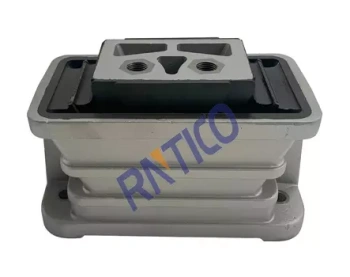
The main functions of the engine mount
The engine mount is a structural component in a vehicle that supports the engine and secures it to the vehicle’s frame or chassis.
Here are some of the key benefits of using engine mounts in a vehicle:
1) Vibration Dampening
Engine mounts help absorb and dampen the vibrations generated by the engine.
This reduces the transmission of these vibrations to the vehicle’s chassis and cabin, making the ride more comfortable and smoother.
2) Giảm tiếng ồn
By isolating the engine from the rest of the vehicle, engine mounts help reduce the amount of engine noise and harshness that reaches the passenger compartment, creating a quieter and more pleasant driving experience.
3) Improved Handling
Motor mounts help maintain the proper alignment and positioning of the engine within the engine bay.
This helps maintain the vehicle’s handling characteristics and stability, especially during cornering and sudden maneuvers.
4) Wear and Tear Reduction
By absorbing vibrations and movement, motor mounts help protect other components in the engine bay, such as hoses, wiring, and surrounding parts, from premature wear and tear.
5) Increased Durability
Engine mounts are designed to withstand the high stresses and forces exerted by the engine over time.
This helps extend the overall lifespan of the engine and its mountings, reducing the frequency of maintenance and replacement.
6) Enhanced Safety
Properly functioning motor mounts help keep the engine securely in place, reducing the risk of the engine shifting or moving unexpectedly, which could potentially compromise vehicle control and safety.
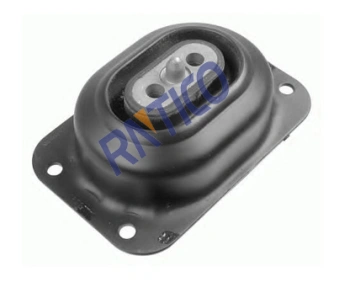
The production procedures of the engine mount
Thông thường, the production procedures of engine mount include the following main steps:
1) Raw material preparation
Prepare the raw materials such as rubber materials and steel plates.
Cũng, inspect the raw materials to ensure that the quality meets the requirements.
2) Batching and mixing
Weigh and mix the rubber raw materials according to the formula.
The rubber compound should be mixed in an internal mixer with high temperature and high pressure to fully mix it evenly.
3) Vulcanizing and molding
The mixed rubber compound is transported to the mold placed in the vulcanizing machine.
The vulcanization reaction forms a cross-linked structure between rubber molecules, improving the strength and heat resistance of the rubber compound.
Đồng thời, using the pressure and heating function of the vulcanizing machine to bond the rubber compound to the metal parts with adhesive applied on the surface, to achieve the purpose of molding.
4) Cooling and trimming
Take out the motor mounts from the vulcanizing machine and allow it to cool.
Trim the motor mount to remove defects such as burrs.
5) Testing and packaging
Carry out various performance tests on the finished engine mount products to ensure quality.
And then, package, transport, and sell the qualified products.
Phần kết luận
Engine mount is usually made of rubber-bonded metal which helps balance strength and flexibility.
Cũng, their design and structure will vary depending on the vehicle model and engine type.
Engine mounts are crucial in providing a smooth, thoải mái, and safe driving experience by isolating the engine from the vehicle’s chassis and cabin.
The entire production process of the engine mount requires strict control of process parameters such as temperature, áp lực , and time to ensure the performance and quality of the engine mount.
Đồng thời, it is also necessary to regularly maintain the equipment to ensure production efficiency and product consistency.