
 English
 العربية
 Français
 Deutsch
 Italiano
 日本語
日本語 한국어
한국어 Polski
 Português
 Русский
 Español
 ภาษาไทย
 Türkçe
 Українська
 Tiếng Việt
In the complex world of engineering, many parts work together to keep machines and equipment running well.
Sprężyny wzmacniające, choć często pomijany, are one such crucial component that plays a vital role in many industrial applications.
RNTIC is here to take you on an in-depth exploration of the mechanics behind bolster springs. We’ll uncover how they function, highlight their key characteristics, and showcase their diverse applications in engineering.
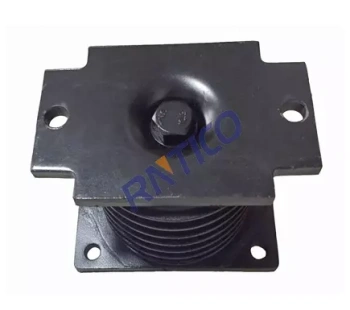
The Core Purpose of Bolster Springs
A bolster spring, also called a bolster or bolster pad, is a mechanical part. It is made to provide support, amortyzacja, and load distribution in different industrial systems.
These springs come in different forms, made from materials like rubber, piana, or metal. Their designs can be customized to meet the specific needs of different applications.
Jednakże, their fundamental purpose remains the same: to ensure the longevity and efficiency of machinery.
The Key Functions of Bolster Springs
Load Distribution
Bolster springs are masters at evenly spreading loads or weights placed on them. W warunkach przemysłowych, heavy machinery and equipment are constantly subjected to dynamic loads and vibrations.
Bolster springs act as intermediaries, dispersing these loads over a larger area. This even distribution is vital as it prevents specific components from being overloaded, which could lead to wear and potential damage.
Vibration Damping
Machinery and vehicles generate vibrations during operation. These vibrations can cause noise pollution, reduce stability, and potentially damage sensitive equipment.
Bolster springs act as dampeners, absorbing these vibrations and minimizing their impact. This vibration isolation not only protects machinery and equipment but also promotes quieter and more stable operation.
Amortyzacja
When sudden shocks or impacts occur, bolster springs step in as shock absorbers. They absorb the energy generated during these impacts, preventing it from reaching sensitive components. This not only safeguards the machinery but also ensures the safety of personnel working nearby.
Flexibility and Tolerance Compensation
Bolster springs can flex and adapt to varying loads and movements. They can compensate for minor misalignments, allowing machinery and equipment to operate smoothly even under less – than – ideal conditions.
The Different Types of Bolster Springs
There are several types of bolster springs, each designed for specific applications:
Coil Bolster Springs
These springs are made from coiled steel wires and are renowned for their strong load-bearing capabilities. Coil bolster springs are commonly used in heavy machinery and automotive suspensions, where durability and resilience are of utmost importance.
Rubber Bolster Springs
Rubber bolster springs feature a rubber or elastomeric core. They excel in vibration isolation and shock absorption. You’ll often find them in machinery mounts, sprzęt przemysłowy, and automotive suspension systems.
Foam Bolster Springs
Foam-based bolster springs are lightweight and versatile. They are ideal for scenarios where weight savings and cushioning are crucial, such as in the production of ergonomic seats or in the aerospace industry.
The Wide-Ranging Applications of Bolster Springs
The versatility of bolster springs makes them indispensable across a broad range of industries and systems:
Przemysł motoryzacyjny
Bolster springs are an integral part of vehicle suspensions. They contribute to a smoother ride, better handling, and the ability to absorb shocks and maintain stability while driving.
Railway Systems
W branży kolejowej, bolster springs support the weight of railcars and provide cushioning for both passengers and cargo.
Sprzęt budowlany
Heavy construction machines, like cranes and excavators, use bolster springs. These springs help spread loads evenly. They also reduce the impact of heavy lifting and machine operation.
Maszyny przemysłowe
In manufacturing and industrial machinery, bolster springs dampen vibrations, protect sensitive components, and extend the lifespan of the machinery.
Aerospace
Bolster springs in aircraft act as shock absorbers during takeoff and landing. This enhances passenger comfort and preserves the structural integrity of the aircraft.
Wniosek
Bolster springs might not always get attention, but they are important parts in engineering and machinery. Their ability to distribute loads, dampen vibrations, absorb shocks, and provide flexibility and tolerance compensation ensures the smooth operation of various industrial systems.
Bolster springs play a quiet but important role. They help make cars and heavy machines work better. These springs improve efficiency, bezpieczeństwo, and durability in many uses. Ich wszechstronność, odporność, and silent dedication make them indispensable in our technology-driven world.
RNTIC Customization Services
RNTIC boasts extensive experience in the R&D and manufacturing of bolster springs. Feel free to reach out for product inquiries or order requests, and our team will deliver satisfactory customized solutions for you.